2025 End of Year List 4: Books

The Emerging Artist now keeps a record of the books she reads so she can easily whip up a list for the blog at this time of year. First her data:

  • 62 novels,  9 non fiction, 3 art books 
  • 29 novels by women
  • 20 novels by non English speakers
  • 2 First Nations authors

Best novels
I’ve tried not just to mention books reviewed by Jonathan. That meant excluding two favourites: Time of the Child by Niall Williams and The Granddaughter by Bernhard Schlink. My best five are:

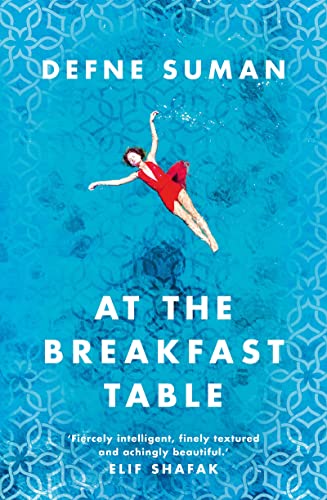
At the Breakfast Table by Defne Suman. Set in Istanbul, it weaves the story of four generations of a family, focused around one weekend, but giving glimpses into the recent history and politics of Turkiye through the lives of each character. The role of women, class and art are in the process. It was one of my random picks from the library, and I now have another of hers on order. 

Glorious Exploits by Ferdia Lennon. What a terrific read, full of humour, violence, Irish sensibilities set in ancient Syracuse. The love of Euripides’ plays drives our two main characters to stage a production performed by prisoners. We saw Ferdia at the Sydney Writers’ Festival where he was equally entertaining. 

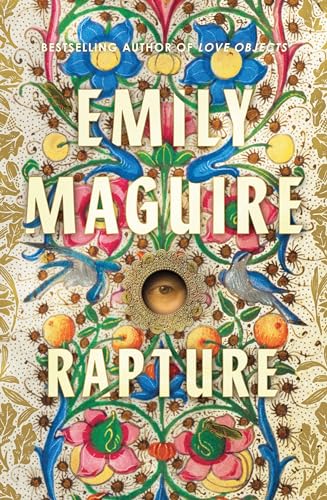
Rapture by Emily Maguire. I had put off reading this but eventually, somewhat reluctantly, picked it up. It was gripping, conjuring up mediaeval Europe and a woman struggling to have independence from the constraints imposed at the time.

Brotherless Night by V. V. Ganeshanathan. Another random pick from the library, this is set in Sri Lanka as the civil war builds over a few decades. Its main character, a young female medical student, tries to sidestep the conflict as her brothers are increasingly caught up in it. A powerful read.

33 Place Brugmann by Alice Austen. During the Second World War, an apartment block in Belgium holds the range of residents that reflect the broader society – those enthusiastic about Nazism and willing to inform, those willing to put their lives in danger to hide Jews and those who become the target of hatred. 

Best non fiction
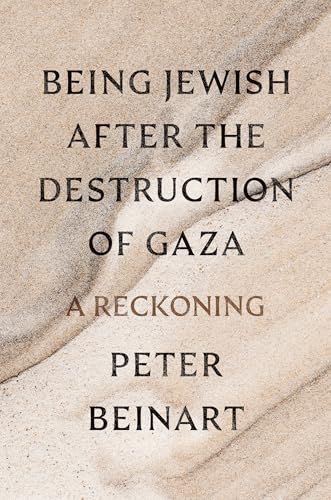
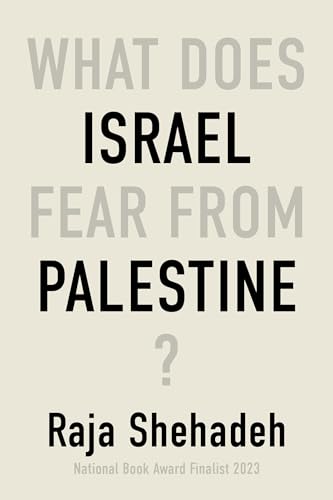
What does Israel Fear from Palestine by Raja Shehadeh and Being Jewish after the Destruction of Gaza: A Reckoning by Peter Beinart are two excellent books about the current genocide.
From me

I can never pick a favourite or best book. Some highlights of 2024 were:

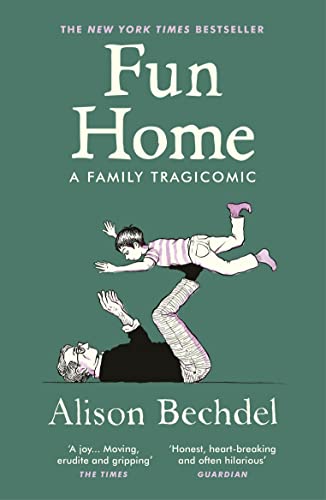
A comic: Fun Home by Alison Bechdel, an LGBTQI autobiographical work that has become a classic. A friend was shocked that I hadn’t read it already (she didn’t care that I haven’t read Pride and Prejudice).

A novel: Time of the Child by Niall Williams, one of three novels so far set in the small fictional Irish town of Faha. Its picture of the role of Catholicism in the life of the village struck a deep chord for me as a child of a Catholic family in North Queensland.

Another novel: First Name, Second Name by Steve MinOn features a Jiāngshī (a kind of Chinese vampire). This struck a personal note for me as the Jiāngshī’s journey ends at the Taoist Temple in Innisfail – and a childhood friend of mine told me that the MinOns lived down the street from him when he was a child.

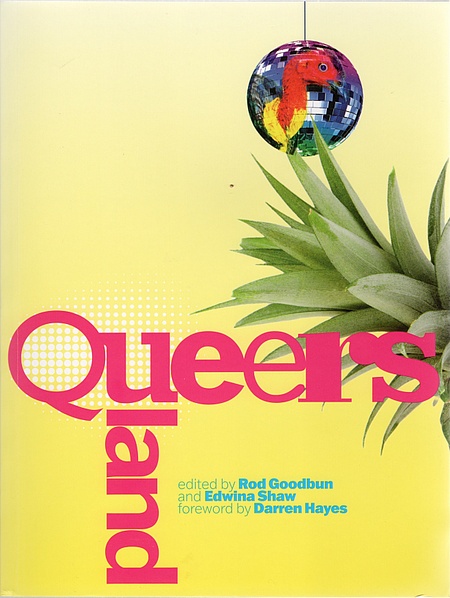
A collection of essays: Queersland is full of stories about being LGBTQI+ in the state of Queensland, especially in the Jo Bjelke-Petersen era, co-edited by Rod Goodbun and my niece Edwina Shaw. I love it because it is so necessary and for obvious nepotistic reasons.

Poetry: Rather than sngle out an individual book I’ll mention the Flying Islands Poets series edited by Kit Kelen. I read 12 books in the series this year, and my life is much richer for it.

I should mention Virginia Woolf. I was inspired by a podcast about the centenary of the publication of Mrs Dalloway to plunge into that book. I’m very glad I did, though plunge is probably exactly the wrong word for my three-pages-a-day approach.
To get all nerdy, I read:

  • 77 books altogether (counting journals and a couple of books in manuscript, but only some children’s books)
  • 32 works of fiction
  • 19 books of poetry
  • 5 comics
  • 11 books in translation – 4 from French (including Camus’ L’étranger, which I read in French), 2 from German, and 1 each from Chinese, Icelandic, Korean and Hungarian
  • 9 books for the Book Group, whose members are all men
  • 11 books for the Book Club, where I’m the only man
  • counting editors and comics artists, 39 books by women and 41 by men
  • 3 books by First Nations writers, and
  • 14 books by other writers who don’t belong to the White global minority.

And the TBR shelf is just as crowded as it was 12 months ago.

Happy New Year to all. May 2026 turn out to be unexpectedly joyful. May we all keep our hearts open and our minds engaged, and may we all talk to peope we disagree with.


I wrote this blog post on Wadawurrung land, overlooking the Painkalac River. I acknowledge their Elders past and present and welcome any First Nations readers of the blog.

2025 End of year list 5: Blog traffic

This is the last end of 2025 list, and I don’t expect you to read it – it’s mainly so I’ll have a record.

Here are the posts that attracted most clicks on my blog in 2025:

  1. Niall Williams’s Time of the Child (February 2025, 861 hits)
  2. Ellen van Neerven’s Throat (July 2020, 847 hits)
  3. There Are Rivers in the Sky, Elif Shafak and the Book Club (October 2024, 734 hits))
  4. Ocean Vuong’s Time is a Mother (March 2023, 591 hits)
  5. Yael van der Wouden’s Safekeep at the Book Club (January 2025, 576 hits)
  6. Andrew O’Hagan on Caledonian Road with the book club (July 2024, 525 hits)
  7. Robert Alter’s Psalms (September 2020, 491 clicks)
  8. Mick Herron’s Standing by the Wall (October 2023, 489 hits)
  9. The Book Group & Richard Flanagan’s Question 7, page 77 (May 2024, 422 hits)
  10. The Book Club and Paul Murray’s Bee Sting (April 2024, 400 hits)

I don’t know what these figures mean. The Mick Herron book is almost not a book.

Here’s WordPress’s list of my all-time top ten posts. This list stays pretty stable. The long-time place-holders don’t need to get many views to stay, and only one of them was in this year’s top ten:

  1. Travelling with the Art Student (November 2014, 3567 hits)
  2. The Book Group and Shirley Hazzard’s Transit of Venus (June 2018, 3010 hits)
  3. (Re-)reading Kevin Gilbert’s poetry (April 2012, 2499 hits)
  4. Mary Oliver’s Twelve Moons (April 2020, 2193 hits)
  5. Ellen van Neerven’s Throat (July 2020, 2074 hits)
  6. Mary Oliver’s House of Light (April 2020, 1909 hits)
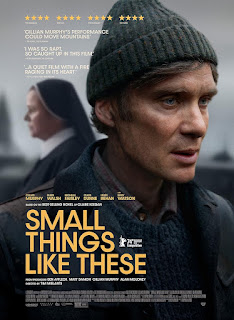
  7. Claire Keegan’s Small Things Like These (October 2023, 1880 hits)
  8. Bran Nue Dae (January 2010, 1856 hits)
  9. Ocean Vuong’s Time is a Mother (March 2023, 1672 hits)
  10. The book group’s Harp in the South (February 2011, 1447 hits)

The post at the top of the list is there because someone lifted an image from it and put it up on Pinterest.

That’s it. Thanks to everyone who has contributed to those statistics. Some of you I know IRL, some I’ve met through email etc, some in the comments section, some I know only as anonymous clickers. I’m happy that you’ve visited the blog. Come again.
2025 End of Year List 3: TV series

The Emerging Artist and I watch far too much television. A lot of it is very good. To make a list of ‘best’ we had to struggle to extract specific shows from the blur. I’m not sure we agreed completely so here is my list compiled in consultation though not always complete agreement with the Emerging Artist. There are 23 titles in fairly shaky categories.

Reminiscence

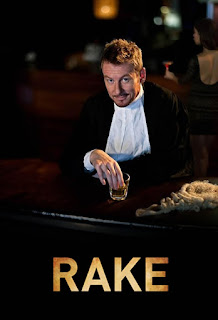
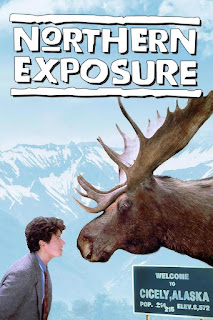
Judge John Deed (G F Newman 2002–2007) was a new discovery for us which we loved mainly for Martin Shaw’s wonderful screen presence as a nonconformist judge. We binged on Northern Exposure (Joshua Brand and John Falsey 1990–1995), which held up surprisingly well. And our comfort binge was Rake, Season 1–5 (Peter Duncan, Richard Roxburgh and Charles Waterstreet 2010–2018), which probably couldn’t be made now but is fabulous.

Police

Soooo much crime. So many crime series are really about watching the face of the main detective as she (these days it’s very often a woman) does her detecting. From a huge field, we’ve selected these:

  • Blue Lights, season 3 (Declan Lawn & Adam Patterson) continues to follow the lives of a group of recruits to the Belfast Gardaí. Among other faces there’s that of Katherine Devlin
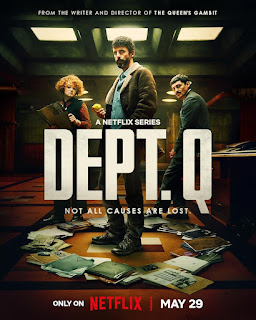
  • Dept. Q (from novels of Jusii Adler-Olsen 2025) transposes a Nordic crime series to Scotland. The face belongs to a bearded Matthew Goode.
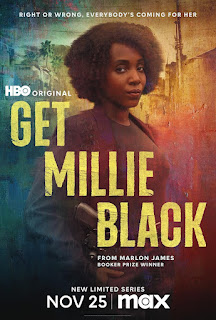
  • Get Millie Black (Marlon James 2024), created by Jamaican novelist Marlon James, writes back to shows like Death in Paradise . The face is Tamara Lawrance’s.
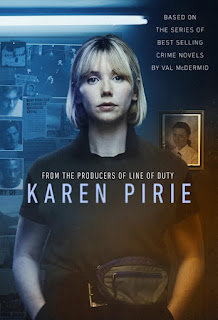
  • Karen Pirie, series 1 & 2 (Emer Kenny 2022, 2025) is another Scottish procedural. The face is Lauren Lyle’s.
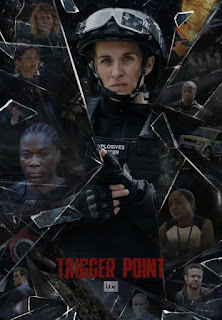
  • Trigger Point, Series 3 (Daniel Brierly 2025) is a bomb disposal unit in London, with Vicky McClure as the main face

Comedy

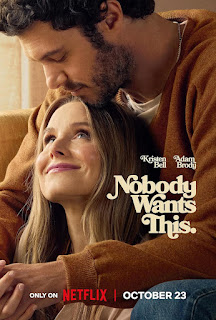
  • Nobody Wants This, season 2 (Erin Foster 2025), a romcom in which a Christian heritage woman and a rabbi negotiate their relationship.
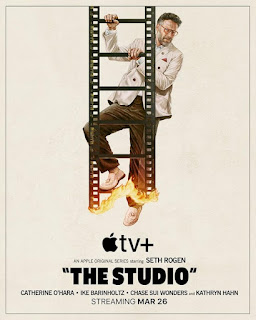
  • The Studio (Seth Rogan 2025): inside Hollywood
  • Iris (Doria Tillier 2024): a comedy of manners featuring socially awkward truth-teller
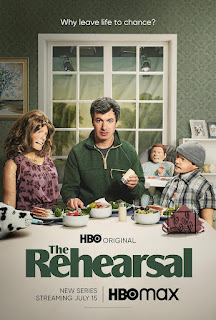
  • The Rehearsal, season 1 & 2 (Nathan Fielder 2025): sometimes unsettling show about a man who helps people rehearse for stressful events in their lives
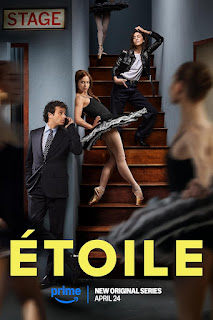
  • Étoile (Daniel Palladino & Amy Sherman-Palladino 2025): French and a New York ballet companies swap key talents
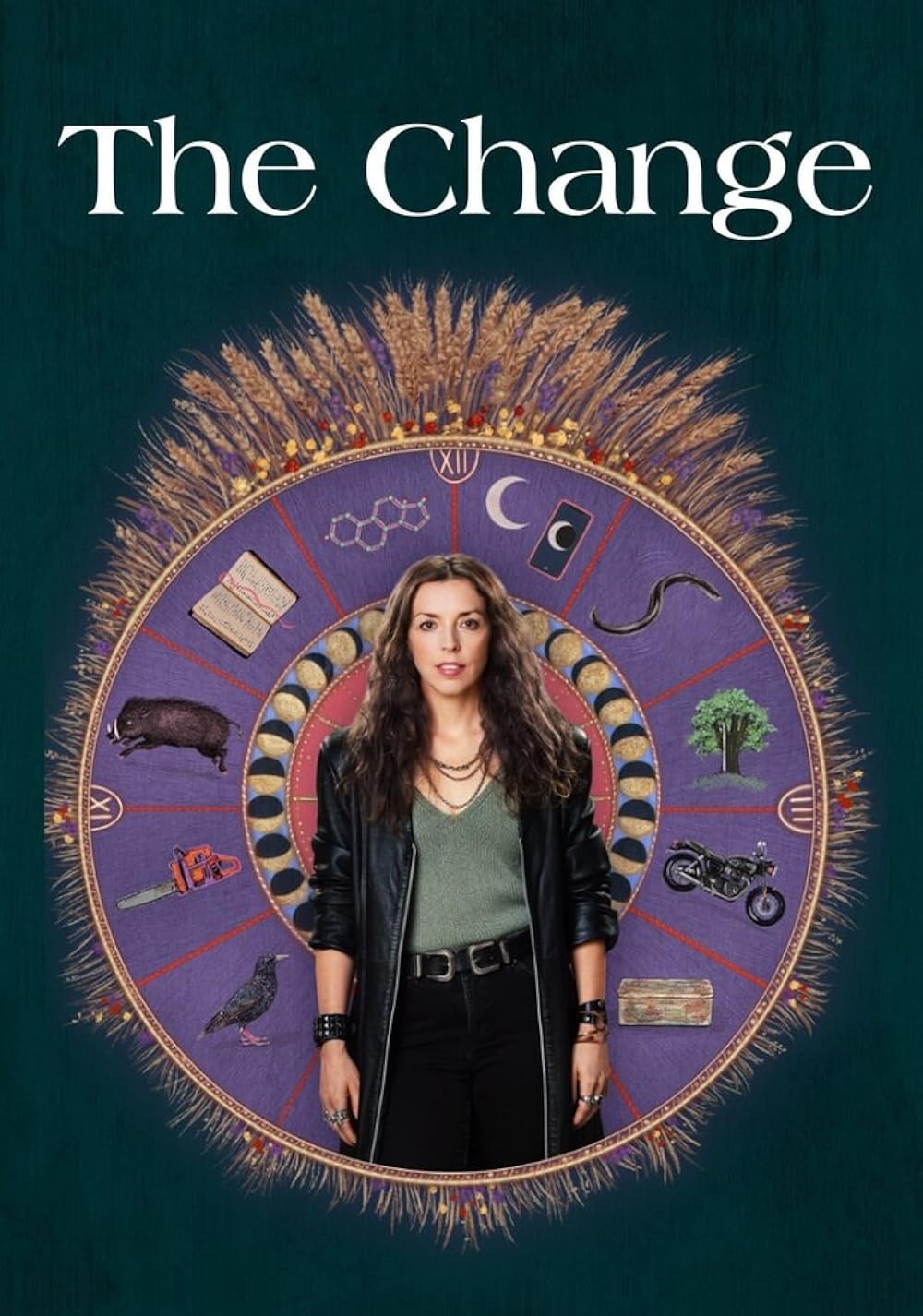
  • The Change, season 2 (Bridget Christie 2025): A post-menopausal woman sets out on a journey of self discovery in the English woods where she gets entangled with a deeply weird community

Drama

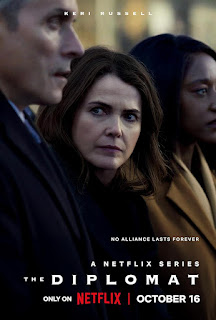
  • The Diplomat, season 3 (Debora Cahn 2025): what looks increasingly like fantasy in the age of Trump, a woman with bad hair (Keri Russell) is a brilliant diplomat
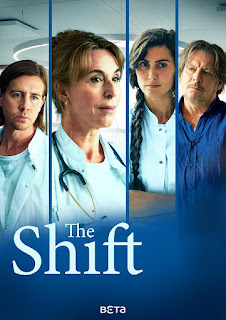
  • The Shift / Dag & Nat, Season 2 (Lone Scherfig 2024): a Danish obstetrics unit under pressure day and night
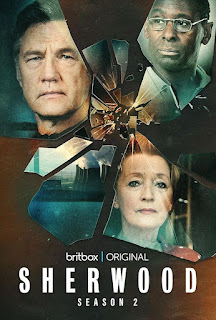
  • Sherwood, season 2 (James Graham 2024): a community where the wounds from the miners’ strike under Thatcher still sting
  • The Hack (Jack Thorne 2025): David Tennant with bad hair as an investigative journalist versus the Murdoch empire
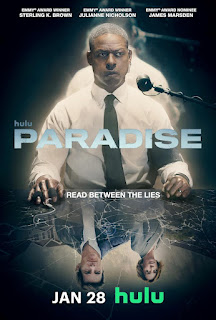
  • Paradise (Dan Fogelman 2025): this starts out as a murder mystery and develops into a dystopian fantasy
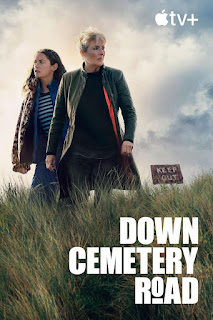
  • Down Cemetery Road (Morwenna Banks 2025): Emma Thompson, also with bad hair!

Documentary series

We didn’t watch many documentary series this year, but the five-episode Mr. Scorsese, directed by Rebecca Miller was excellent. Lots of clips and wonderful interviews with family, friends, actors and other directors.

My nominations for Year’s Best

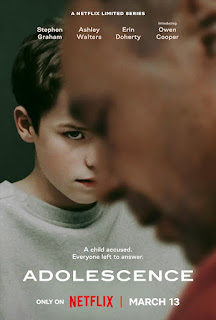
  • Adolescence (Jack Thorne and Stephen Graham 2025). Brilliant brilliant brilliant!
  • Slow Horses Season 5 (Will Smith and others, from books by Mick Herron 2025): Five seasons in, this is still funny and gripping and leaves me wanting more. You come away thinking you could smell Gary Oldman.

Thank you for reading this far. Please add your own favourites in the comments.

2025 End of Year list 2: Theatre

I went to the theatre seventeen times this year, counting a National Theatre Live screening. Mostly I was accompanied by the Emerging Artist, but as luck woUld have it she was home with a painful post-surgery foot for the play that gets the Jonathan Shaw Award for the year:

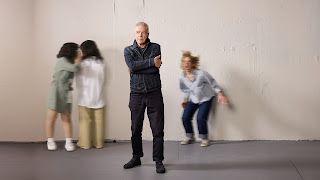
The True History of the Life and Death of King Lear and his Three Daughters at the Belvoir Street Theatre, directed by Eamon Flack, with Colin Friels in the title role. From the beginning this Lear was in crisis. Colin Friels somehow communicated that he was dividing up the kingdom, not on some weird whim, but because he had a sense of impending cognitive and physical incapacity. That he (the actor, not the character) collapsed on another evening, leading to the cancellation of that performance, is perhaps an indication that he was drawing on his own felt experience.

Of the shows we saw together, we agreed on this list of The Best, in alphabetical order:

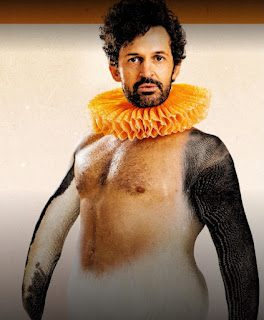
Classic Penguins, in which Garry Starr (not his real name), wearing webbed feet, a ruffed collar and not even that much for some parts of the show, took us on a tour of Penguin Classic paperbacks, performing mostly silly skits based on their titles. For Around the World in 80 Days, for instance, he spun around while the audience counted to eighty. I laughed a lot, I cried, I did as I was told and helped the naked Garry crowd surf.

Jacky by Declan Furber Gillick, directed by Mark Wilson and starring the wonderful Guy Simon, was a Melbourne production transported to Belvoir Street as part of the Sydney Festival.

The Visitors by Jane Harrison, which we saw as part of the Clancestry Festival of first Nations arts in Brisbane/Meganjin. Representatives of the local clans meet on the headlands of what is now Sydney Harbour and debate how to respond to the fleet of ships that is coming through the heads.

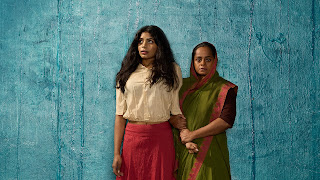
The Wrong Gods written and co-directed by S Shakthidharan (his co-director was Hannah Goodwin). Everything about this was superb – the set the music, the dancing, the writing, the acting. Wonderful theatre , and a serious look at the devastating encroachment of capitalism on Indian village life.

William Yang: Milestone, in which one of Australia’s living treasures marks his eightieth birthday with a slide show and his undimmed gift for storytelling. We saw it as part of the Sydney Festival.

Next, television!


I  saw most of these shows on Gadigal land. I wrote this blog post on the  Wurundjeri Woi-wurrung land. I acknowledge their Elders past and present, and welcome any First Nations readers.

2025 end of year list. Part 1: Movies

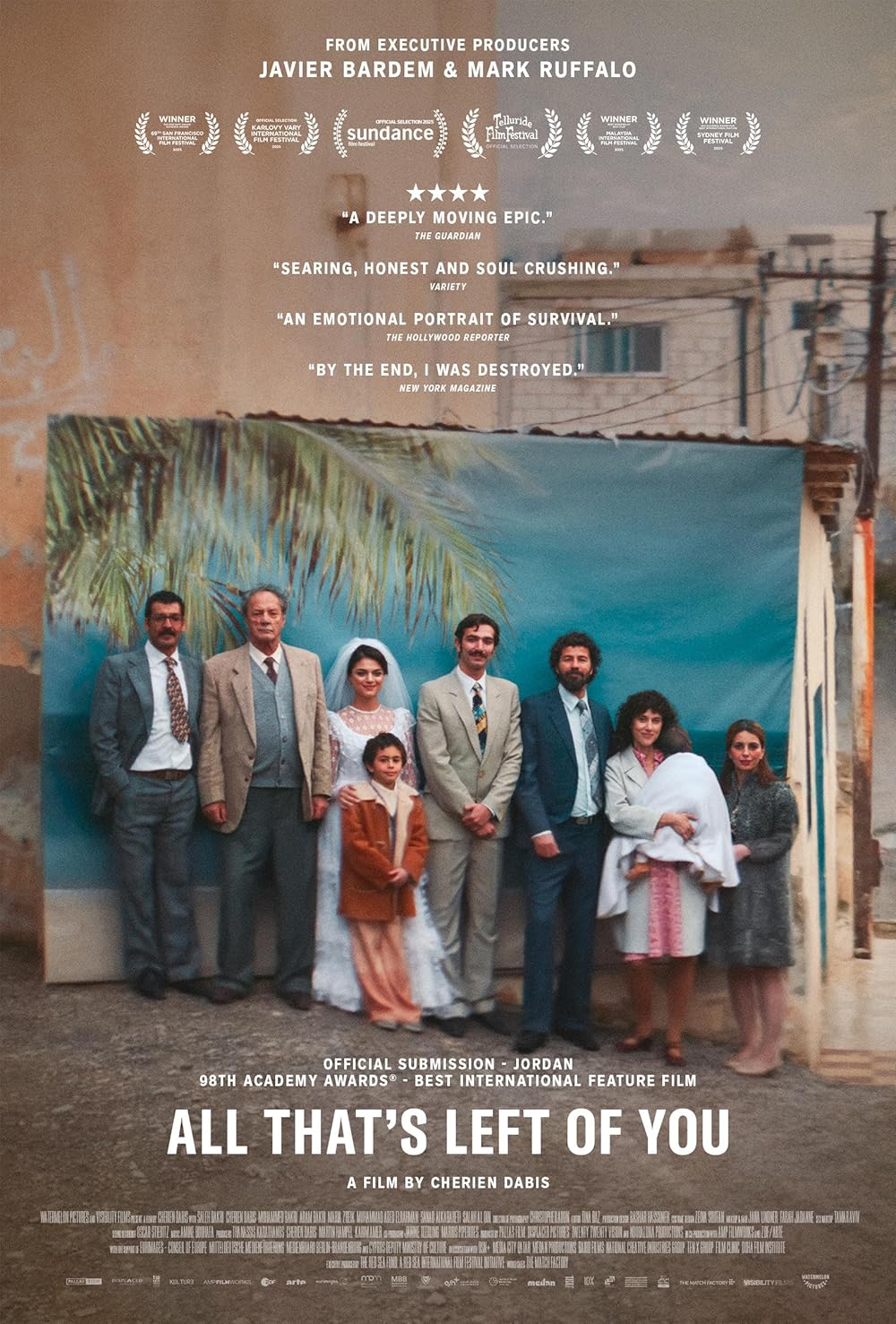
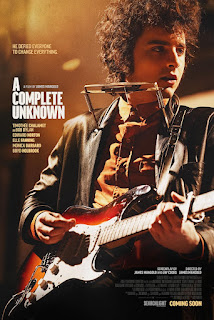
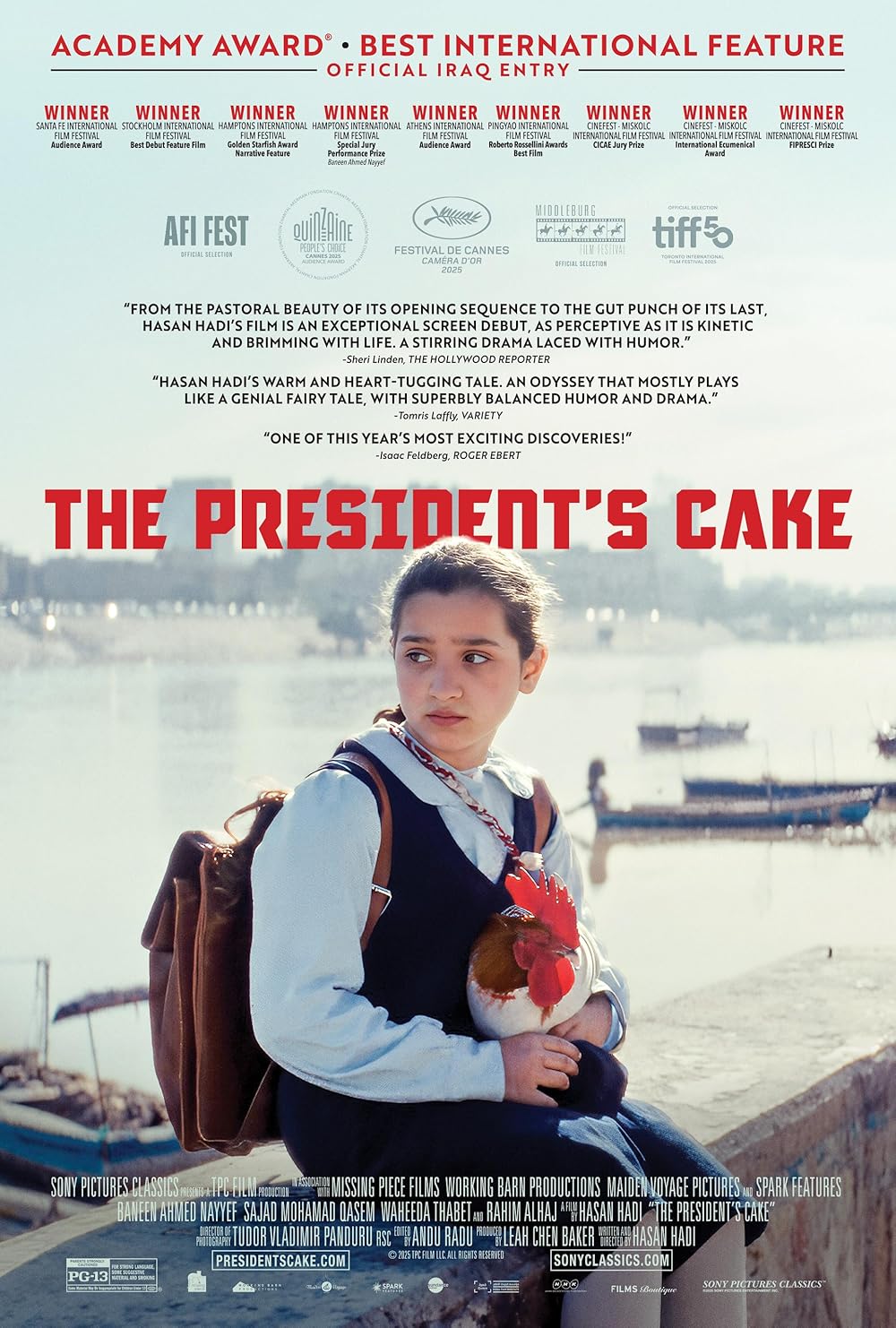
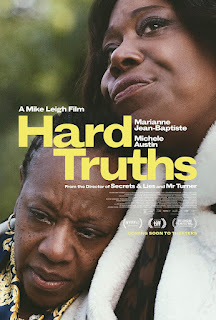
As the New Year dawns, the Emerging Artist and I are drawing up our Best of 2025 lists. Movies first.

We saw about 65 movies, including streaming and TV. Here are the ones we both put at the top of our viewing year.

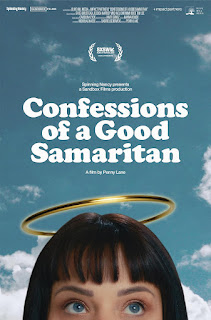
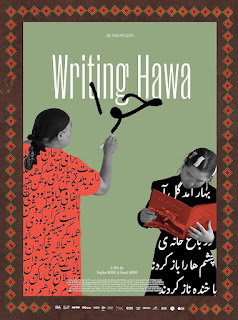
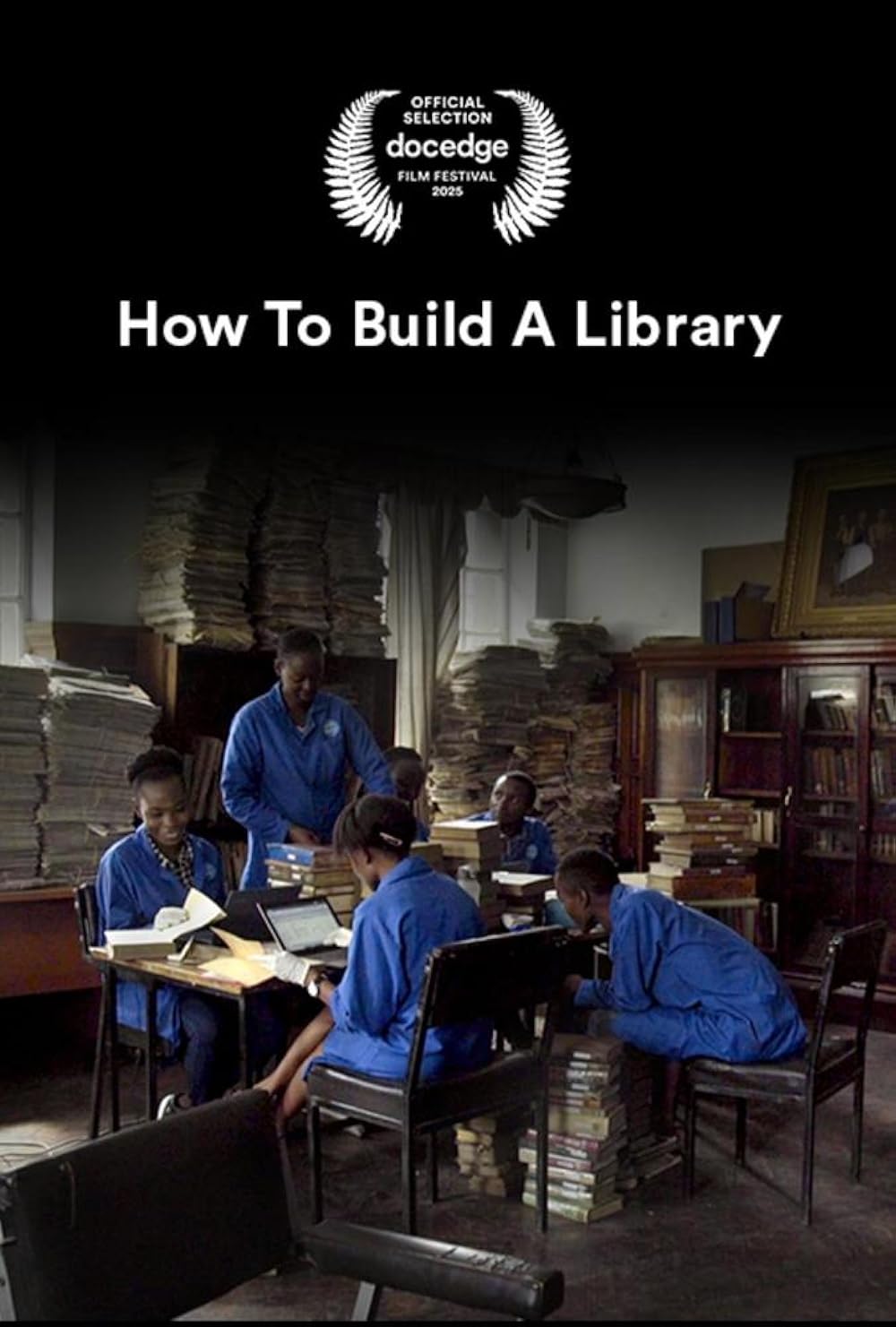
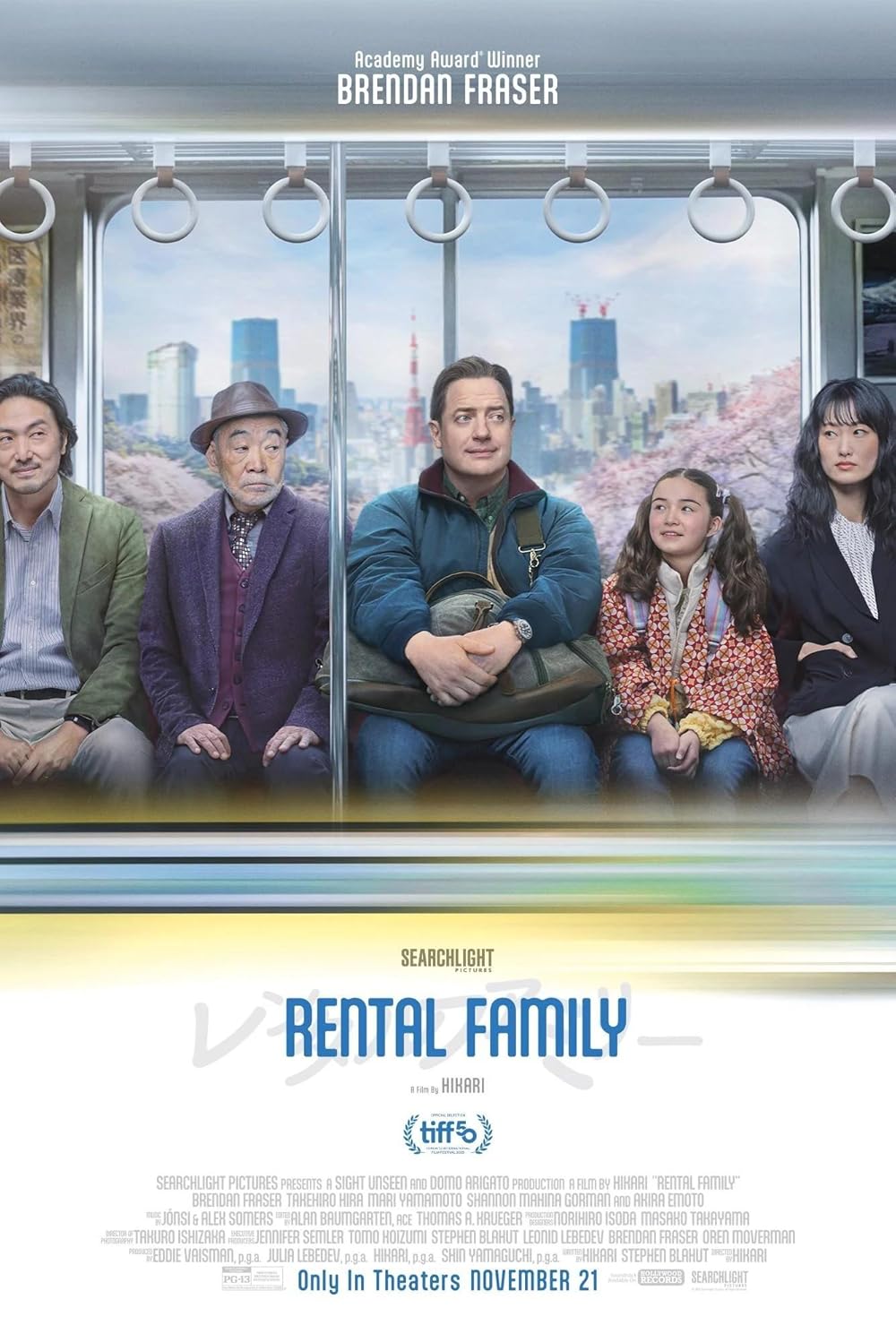
The image captions are linked to either an IMDB page or a review by my favourite movie critic, Mark Kermode.

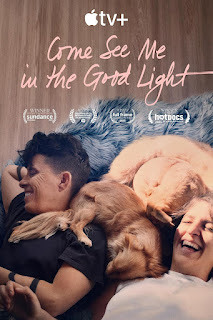
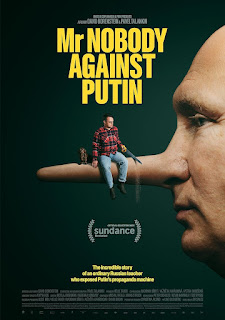
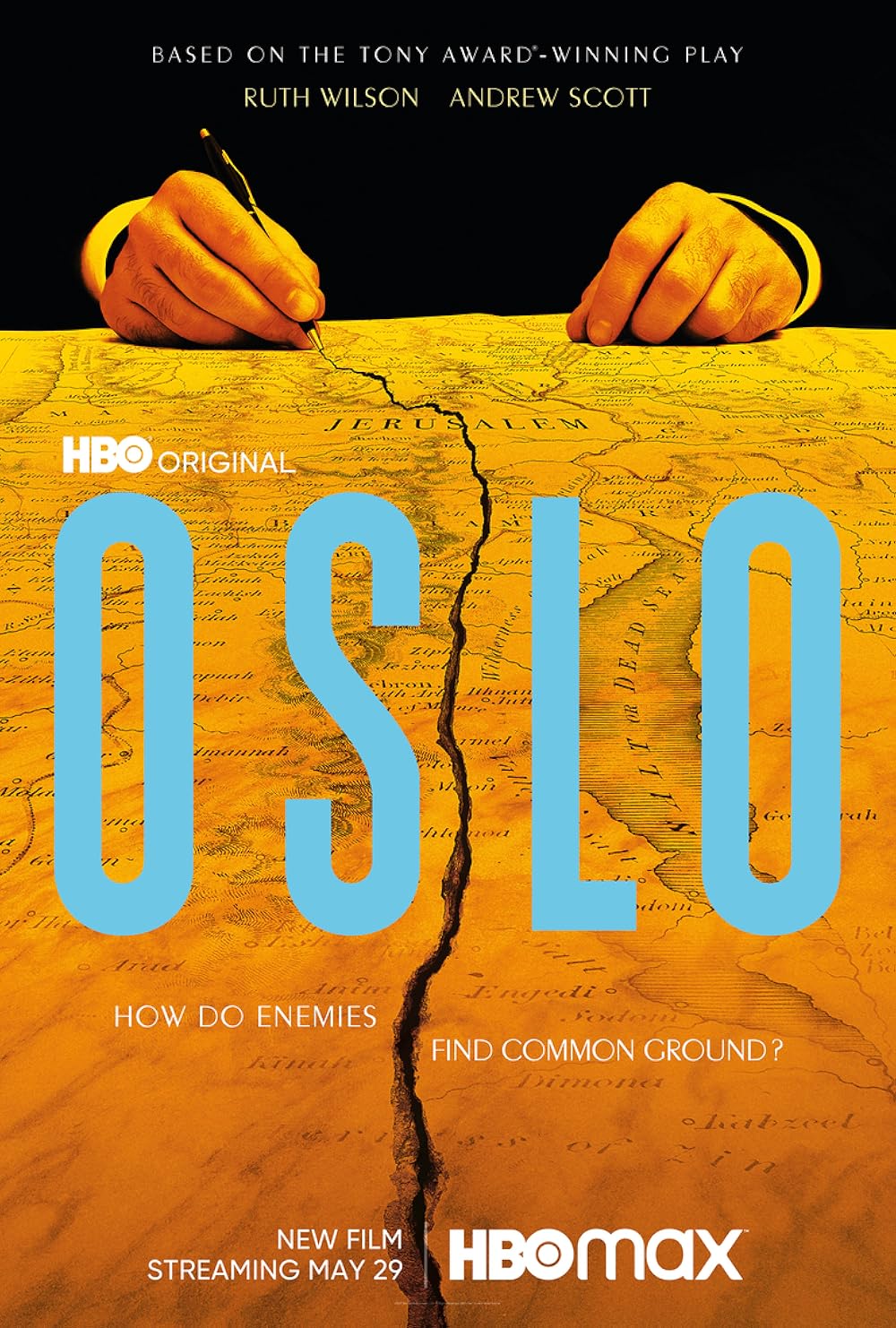
Five documentaries, one from the Antenna Documentary Film Festival, three from the Sydney Film Festival, and one from Apple TV+. They come from Russia, Kenya, Afghanistan and the USA, and deal with a poet with terminal cancer, a filmmaker who donates a kidney, domestic life when the Taliban take over, the restoration of a municipal library, and a small heroic act in Putin’s Russia.

We had trouble whittling our list of features down to size, so here are our top ten (three of which we saw at the SFF) in alphabetical order of titles:

Not a lot of laughs in that lot. Sorry!

Staples and Vaughan’s Saga volume 12

Fiona Staples and Brian K. Vaughan, Saga, Volume 12 (Image 2025)

Saga, with words by Brian K. Vaughan and images by Fiona Staples, is a space opera that has been running for nearly 15 years. Seventy-two individual comics have come out on a monthly basis, with a couple of substantial hiatuses. Volume 12 collects comics number 27 to 72.

In the middle of a forever war between a winged species and a horned one, a bi-racial child is born, and this is her story. Many forces are out to destroy the girl and her family. Hazel is her name, and she’s now 12, working in a circus and worried about the hair growing in unexpected places. Oh, and the galaxy-wide war continues.

There’s a lot going on.

I’ve blogged about the previous 11 volumes: volume 1, 2 & 3 here, 4 here, 5 here, 6 here, volume 7 here, 8 & 9 here, 10 here and 11 here. For volume 12, I’ll stick to page 78*.

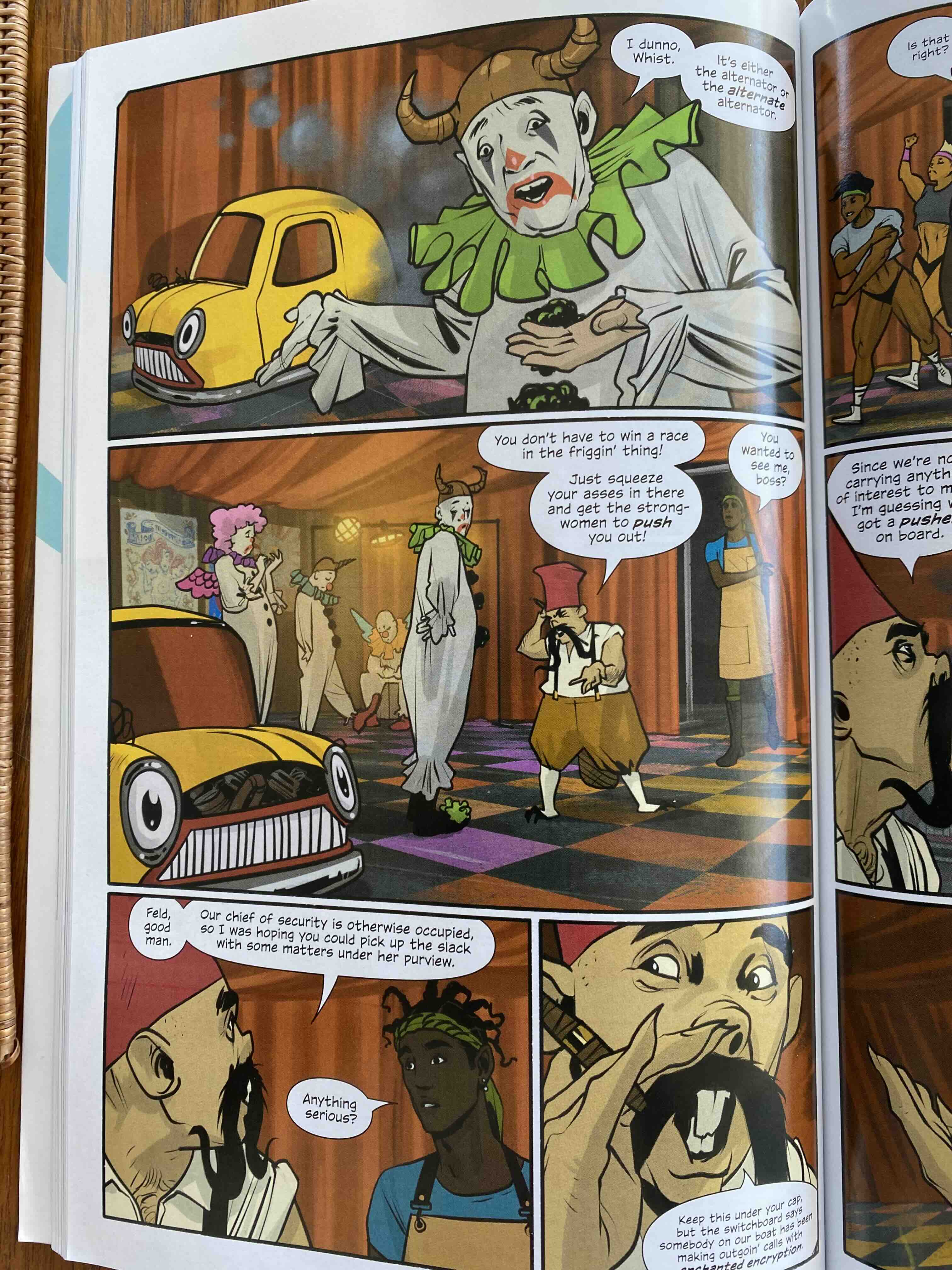
Sadly, I don’t get to show you Hazel as a 12 year old, or her bad-ass mother Alana (that’s her in the cover illustration in her role of head of security for the circus), or her television-monitor headed brother. There’s no sex on this page, no violence, no cute aliens, and none of Hazel’s deliciously multivalent narrative. But you can get an idea of Fiona Staples’s visual style.

The three characters here are an obnoxious clown; Whist, the circus manager who belongs to some kind of rodent species; and Feld, a stunningly good looking circus employee.

The top two frames are a bit of silliness, a glimpse of the way the circus – a huge tent-shaped space station – is always on the edge of chaos, though the broken-down clown car is nothing compared to the land-based dolphin on earlier pages who has diarrhoea when he has to perform. The mention of the ‘strong-women’ is a set-up for an image on the very next page where two musclebound women stuff clowns into the car and push it off through the curtains into the bright lights of the circus ring. But while the reader’s attention is on this comedic dimension, grounds are being laid for a later dramatic moment featuring Whist and the clown, about which I’ll say no more.

The bottom two frames are rich with irony. Someone at the circus has been seeking a bounty from people who are hunting Hazel and her family, and Whist, we learn here, knows some skulduggery is going on. The reader has reason to believe that sweet-talking Feld is the informant, so this moment is full of tension. There are, of course, a few twists to this part of the story before the volume ends. It’s not really a spoiler to say that Hazel Alana and family manage to escape – and that the war continues.

I used to wonder where it was all leading, but now I think it might just go on forever, and continue to be engrossing fun until Hazel dies of old age as a grand matriarch in volume 90. Anyhow, it looks as if we may have entered another ‘hiatus’ and it will be some time before the next episode hits this blog.

I  wrote this blog post on the land of Bidjigal and Gadigal of the Eora nation. I acknowledge their Elders past and present, and welcome any First Nations readers.


* That’s my age. When blogging about a book, I focus on page 78 to see what it shows about the book as a whole.

Journal Catch-up 32: Meanjin Autumn 2025

Esther Anatolitis (editor), Meanjin Vol 84 Nº 1 (Autumn 2025)
(links are to the Meanjin website: I believe that they are now all accessible to non-subscribers)

Unless Melbourne University Publishing’s recent decision to shut Meanjin down ‘on purely financial grounds’ is reversed, this is the fourth-last issue of Australia’s third-longest-lived literary magazine. (The New South Wales School Magazine, a literary magazine for children, is the longest lived. Southerly comes second.) The two part-time employees responsible for the journal have lost their jobs. Even given the long list of other people whose work goes into each issue, it’s astonishing that this extraordinary publication has been produced by so few paid workers.

The cover design is weirdly prophetic. It represents the predictive results for a web search for “the work of”. Early this year, readers would hardly have noticed the battery icon in the top right showing a dangerously low charge, a speck of red on a mostly black page. Now, thanks to what has been correctly described as outrageous cultural vandalism, the battery is dead flat. But that’s the only sign of imminent demise. The rest of the issue – more than 200 pages of text and image – is as lively, varied and thought-provoking as you could wish.

There are the regular features:

  • Even before the contents page, there’s The Meanjin Paper, an essay by a First Nations writer: ‘Different Plants for Different Meanings‘ by Anyume John Kemarre Cavanagh with Gabriel Curtin reads like poetry
  • State of the Nation: topical essays, this time it’s Sisonke Msimang, Andrew Lemon and Rachel Withers on the Voice referendum, gambling and the housing crisis respectively, each with a twist
  • Australia in three books‘: Sarah Walker writes about Ethel Turner’s classic children’s book Seven Little Australians, Jessie Cole’s Desire (2022) and Helen Garner’s Yellow Notebook (the first volume of her published diaries), all of them dealing with girls or women who ‘are trapped in the great looping flood’ of their feelings
  • Interview: It’s Winnie Dunn, author of the novel Dirt Poor Islanders and mover and shaker in the Western Sydney’s rich literary scene, and it makes very interesting reading
  • The Year In … : The year in Yellowface. Jacqueline Lo focuses on the web trailer for a ballet production at the 2024 Adelaide Festival, which she argues represents a persistence in Australian culture of attitudes to Asian characters and actors that are no longer tolerated where Blackness/Blakness is the issue.

There are short fictions, memoir, essays, book reviews and poetry. I’ll name just one or two of each.

In the short story ‘The farmer‘ by Suzanne McCourt, the title character is a woman of a certain age searching for a calf that has gone missing, presumed stolen by her neighbour. There’s a lot there for any reader to like, but because I spent a lot of time with cattle when I was young, I particularly loved the way the story captured the intimate bond between human and cows and their calves, including the delicate process of adoption.

Of the four pieces labelled ‘Memoir’, Jess Lilley’s ‘My pregnant life‘ stands out. It begins with the author’s first pregnancy when she was nineteen and dealing with the legal and social hurdles to abortion. I don’t think it’s a spoiler to quote the essay’s last words:

When I lay with his tiny body in my arms, I knew this signalled the end of my pregnant life. Nine pregnancies across 25 years. A quarter of a century of having my  world rocked over and over and over by my own bodily forces.

minganydhu ngindhumubang / What am I without you?’ by Tracy Ryan is a generous bilingual essay in a class of its own that challenges readers to deconstruct our assumptions and practices around language – much of it is written in Wiradyuri language, first transliterated then translated: ‘my soul wants to decolonise language but that would make this work nearly incomprehensible to an English-dominant culture.’

Architect Naomi Stead’s essay ‘Wheatscape with Cathedral‘ deals with the extraordinary Stick Shed in Murtoa, rural Victoria. The author’s full-page photo of the shed’s interior cries out for an explanation of the extraordinary vision, and the article more than satisfies.

Of poetry, I’ll mention just ‘Sacrificed on Altar of Vice’ an erasure poem by Brittany Bentley. If you click on the link, you’ll see the image of two columns of newspaper copy most of which has been redacted in red. The words that are still legible constitute the poem. The hard-copy Meanjin includes a link to the unredacted article. The poem stands on its own feet but read in conjunction with the original article its power is greatly amplified. Most of the poem’s title comes from the redacted text.

The three book reviews tend to be in rarefied scholarly language. Here’s a sentence from ‘Queer perforations‘, a review by Dylan Rowen of Blackouts, an experimental work of fiction by Justin Torres:

Determined to free the queer subject from the realm of the symbolic and to give voice to those erased from history, this text critically fabulates – to borrow Saidiya Hartman’s term – a history gleaned from the redacted bits of what little was left in the records.

Mercifully, this kind of insider language is mainly restricted to the book reviews.

With any luck, by the time I’ve read the final issue, in who knows how many months’ time, Meanjin, like Heat before it, will manage some kind of resurrection, in spite of Melbourne University’s reported refusal to entertain many offers of financial support from other institutions.


I  finished this blog post on the land of Bidjigal and Gadigal of the Eora nation. I acknowledge their Elders past and present, and welcome any First Nations readers.

A seasonal post

To all my readers: I wish happiness in this festive season, a brilliant start to 2026, and meaningful productivity through the coming year.

I want to share a non-musical ear-worm that has been plaguing me for the last couple of weeks. It’s not obviously Christmassy or New Yearish, but here it is.

It’s ‘I know a man’, a poem by US poet Robert Creeley.

You can read the whole poem – there are only 12 short lines – here. (You can read about Creeley at his Wikipedia post.)

When I first read ‘I Know a Man’, I didn’t think much of it, but after I’ve heard a number of enthusiasts discussing it in the online Modern and Contemporary American Poetry course (ModPo) it seems to have taken root in my mind.

As I was trying to absorb the news of the horrors of Hanukkah at Bondi Beach earlier this month, a phrase from the poem kept insisting its way into my attention:

name, the darkness sur-
rounds us

I don’t know what 29-year-old Creeley had in mind in 1955, but the phrase embodied for me the combined effect of the destruction of democracy around the world especially in the USA, the rise of terrorism in the name of Islam, the Israeli government’s genocide in Gaza, Russia’s invasion of Ukraine, the failure of the Voice referendum here, and now this devastating attack on Sydney’s Jews, and its Melbourne firebombing footnote. The darkness surrounds us, and it’s pressing in.

I went back to the whole poem, to see what Creeley did with his surrounding darkness.

Rather than talk about the poem, here’s a verse response – crude, hasty, but I hope it communicates:

I know a poem
As I rd from a
poem, because I am
always reading, – Bob, I

rd, which was almost the poet's
name, the darkness sur-
rounds us, the dark-

ness surrounds
us, the darkness
surrounds us, what

can we do against

it, or else, shall we &
why not,
why
not pass a goddamn big Act,

legislate, I rd, for
f*ck's sake, look
out who yr doing.

I don’t know if that can even count as a little candle, but it’s what I can do just now.

Flying Island’s 100 Poets

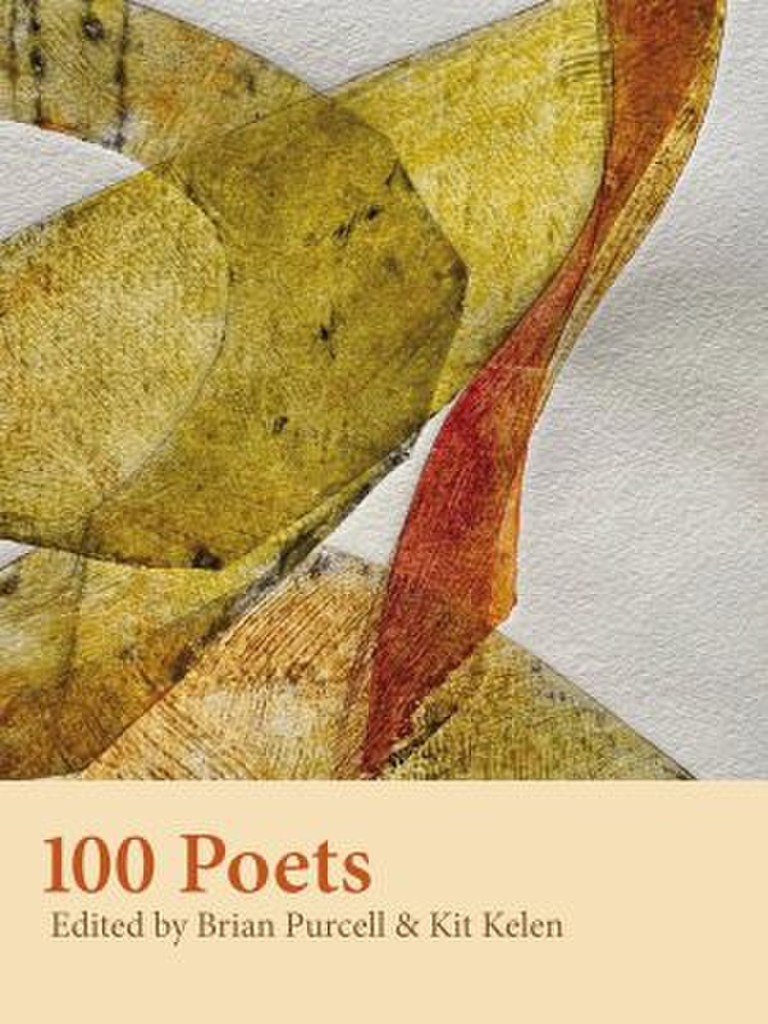
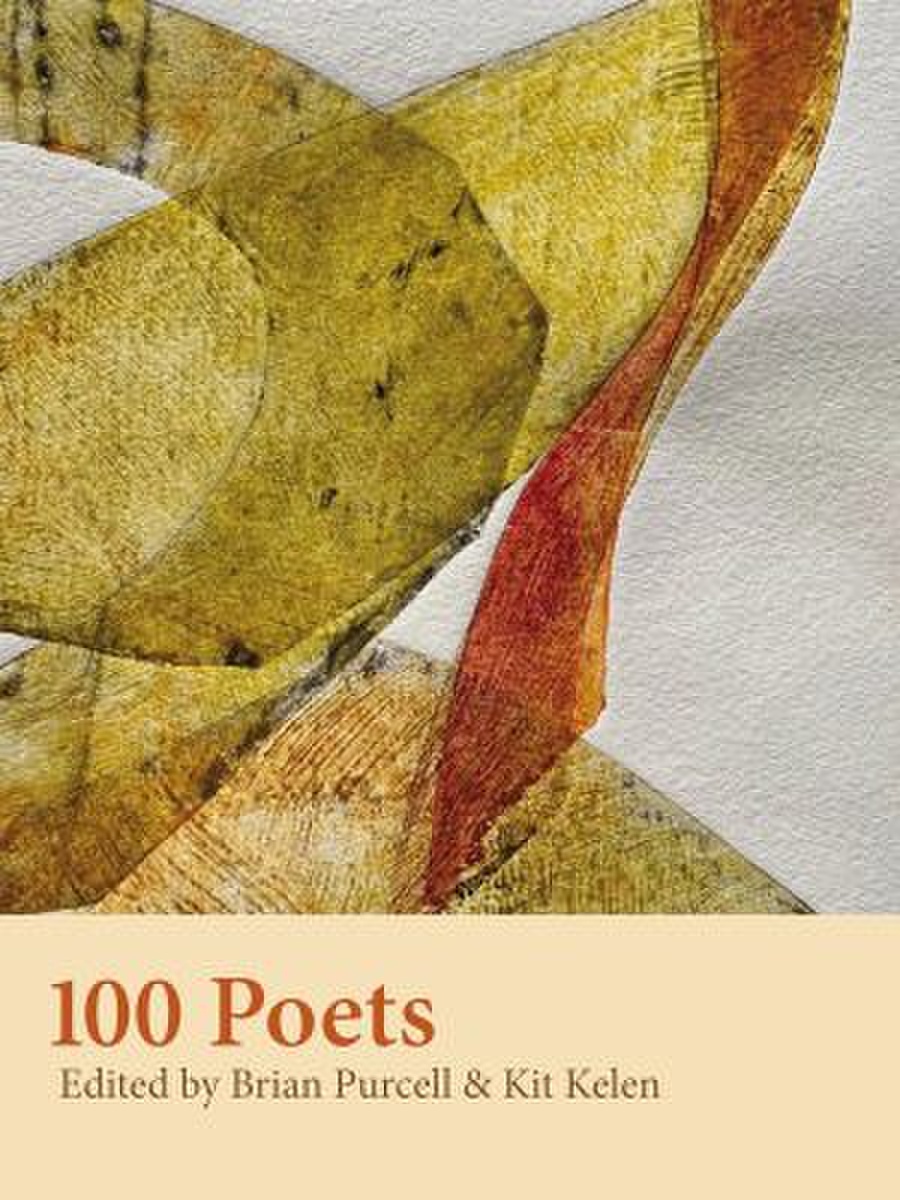
Brian Purcell & Kit Kelen (editors), 100 Poets (Flying Islands 2025)

Most poetry anthologies are implicitly made up of poems that are ‘the best’ in some way or at least the editors’ favourites chosen from a much bigger field of lesser or less loved work. Though the editors of 100 Poets have necessarily been selective, the point here is not that these hundred poems are Winners. Instead, the book is offered as an introduction to a poetic community.

Flying Islands, the brainchild of Kit Kelen, is a non-profit publisher, and a community of poets and readers of poetry. Over the last decade and a half, they have published 100 pocket-sized books of poetry (I’ve read an enjouyed about 20). They have features award-winning poets, grumpy old poets who complain about the lack of recognition elsewhere, and brand new poets flexing their wings. They have included translation, mostly from Chinese to English or vice versa – Kit Kelen is an emeritus professor at Macao University, and Flying Islands has partnered with Macao-based community publisher ASM (the Association of Stories in Macao). They have had a wonderful variety of style, form, tone and subject matter. All of that is represented in 100 Poets.

This book, pocket-sized like the rest, is the hundredth in the series. Each of 100 poets previously published in the series has a single page – a couple of them fit two short poems onto their page, but none take more than a page. Not every notable Australian poet is represented here – there’s no David Malouf, Eileen Chong or John Kinsella, for instance, and not very much from the world of Spoken Word – but it’s hard to imagine a better introduction to the basic ecology of contemporary Australian poetry.

I was going to list the poets from the book who have appeared in this blog. It’s a long list, and not all of them are there because I read their Flying Islands publications. But it would just be a list of names with links. Instead, here is my favourite title, from Tricia Dearborn:
Perimenopause as a pitched battle between the iron supplements and the flooding

And, in keeping with the blog’s tradition, here’s the poem that appears on page 78, ‘The Sleepover’ by Gillian Swain, whose Flying Islands book is My Skin Its Own Sky (2019):

The first nine lines evoke a pleasant childhood memory. Even if, like me, you never slept over at a friend’s place when you were young, the details – the barbies, the giggling friends brushing their teeth together, the child bodies in adult-sized sleeping bags, the model aeroplanes on the friend’s ceiling – capture brilliantly thrilling combination of intimacy and strangeness that is a sleepover.

Lines 10 and 11 form a finely judged transition from that memory to the very different current situation. They move from the past to the present tense, and the child’s perspective carries over to the different reality – the bed that moves up and down already suggests a hospital, but is presented as a novelty:

like the way your bed moves up and down like 
all the colours the flowers bring

And line 12 lands us firmly in the grim present.

to this grey room.

The person addressed in the first lines is now in a hospital bed.

The interplay of benign memory and grim present continues in the rest of the poem: the three friends once again enjoying each other’s presence long into the night. There is giggling again, and stories. The friendship is as alive as ever, but one of the three friends is dying.
The final lines hold this complex emotional reality in a neat paradox. The imminent death of a friend is not trivialised – but nor is the joy of friendship.

the wrong reasons and  tonight 
your deathbed
is joyous.

The person I have known longest apart from my two sisters died early this year. Our childhood friendhsip wasn’t of the giggling, sleepover variety, but the last time I saw him we did pay more attention to what we enjoyed with and about each other than to what we all knew was coming. The poem resonates strongly for me.

Multiply that by 100 – or to be honest by maybe 75, because not every poem in the book sings to me – and you have quite an experience. I look forward to Flying Islands’ Second 100.


I finished this blog post on the land of Wandandian of the Yuin Nation, whose beaches are said to have the whitest sand on the planet. I acknowledge their Elders past and present, and welcome any First Nations readers.

Andrew Miller’s Land in Winter at the Book Group

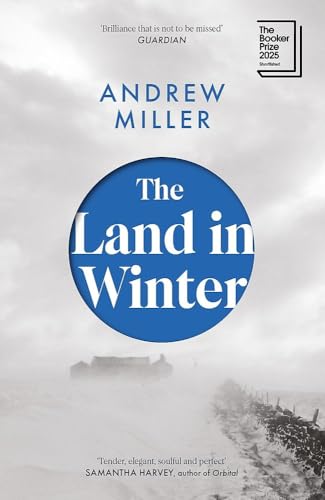
Andrew Miller, The Land in Winter (Sceptre 2024)

Before the meeting: The Land in Winter was shortlisted for the 2025 Booker Prize. The judges described it like this:

In the depths of Britain’s coldest winter, two neighbouring women forge a friendship in the countryside. It’s 1962 and they have both just become pregnant. Around them, the men are struggling <snip>. As a winter storm wreaks havoc on their lives, these characters become pivotal figures in a community precariously balanced between history and future <snip>. In beautifully atmospheric prose, Andrew Miller brings suspense and mystery to this seemingly inconsequential chapter in British history.

For me the one word that stands out from that is ‘inconsequential’. I never got on the book’s wavelength. I couldn’t find any reason to be interested in the characters, and couldn’t tell why the author was interested in them. Adultery, mental illness, patriarchy, the lingering effects of World War Two, the shady world of strip clubs and escort agencies, organised crime lurking in the background, a nuanced play of class, a solid evocation of a snowbound English countryside: there’s plenty there, but I mostly failed to care or be amused. Nobody is happy, everybody has a complicated past, terrible things happen to each of the main characters, some expected, some self-inflicted, some as arbitrary as a car accident. The prose is fine, but I would describe it as functional rather than atmospheric. The book doesn’t sing.

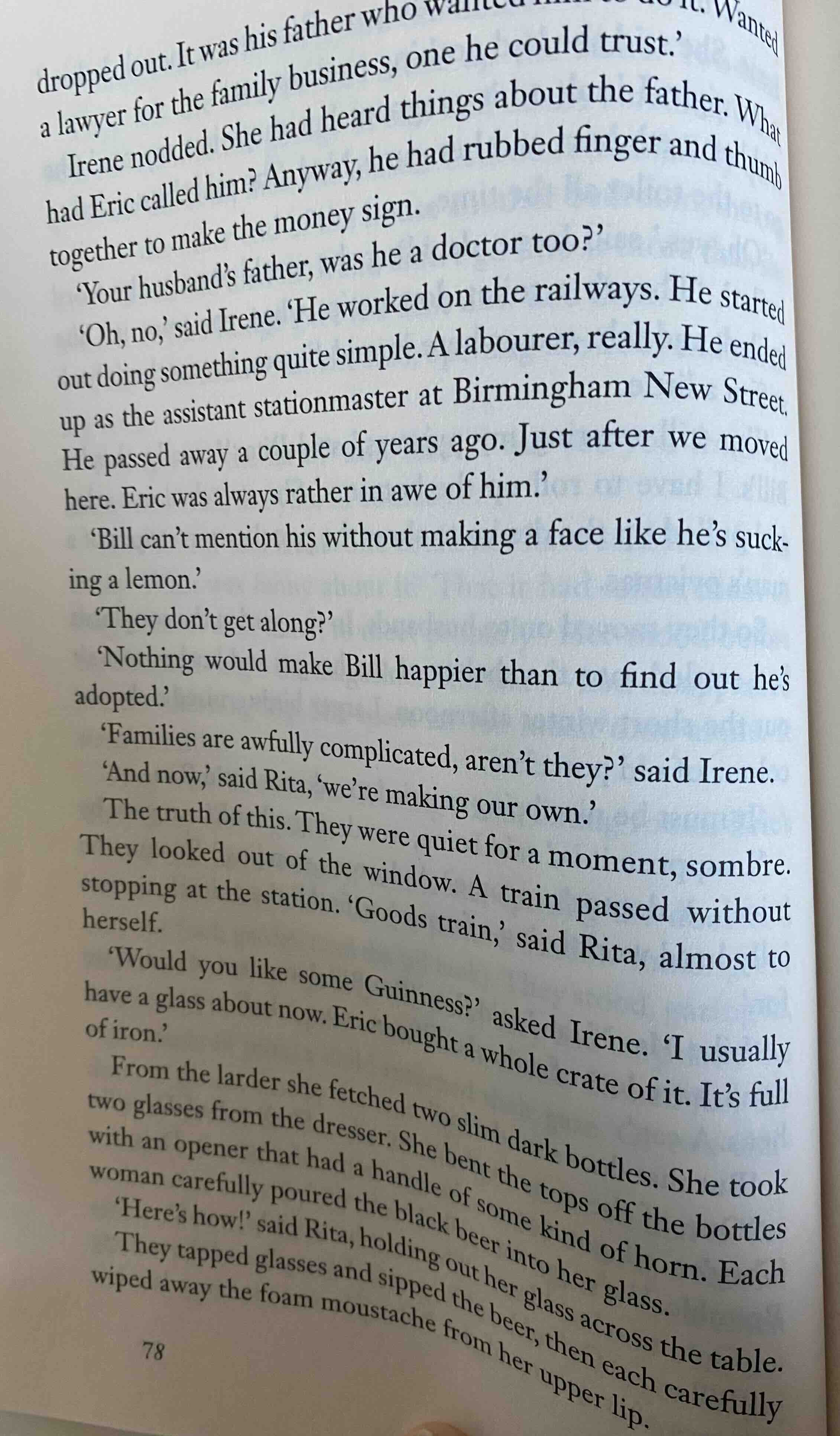
Page 78* occurs in chapter 7. The ‘two neighbouring women’, Rita and Irene, have met for the first time when Rita has brought eggs from her farm as a gift to Irene, the doctor’s wife.

As the women converse, they fill each other in on their husbands’ backgrounds. That is to say, this is mainly a page of exposition. But then, a lot of the book feels to me like exposition.

‘Bill was at Oxford,’ said Rita, as if that explained the naming of cows after queens of the Nile. ‘He was studying law but dropped out. It was his father who wanted him to do it. Wanted a lawyer for the family business, one he could trust.’
Irene nodded. She had heard things about the father. What had Eric called him? Anyway, he had rubbed finger and thumb together to make the money sign.
<snip>
‘Bill can’t mention his [father] without making a face like he’s sucking a lemon.’
‘They don’t get along?’
‘Nothing would make Bill happier than to find out he’s adopted.’

In the midst of that background briefing, one detail stands out. Irene’s doctor husband ‘had rubbed finger and thumb together to make a money sign’. So Bill’s father, we understand, is a Jew. There’s more about that later when we meet Bill’s family, but the antisemitism of Eric’s remembered gesture never leads to anything. This did make me wonder if the narrative was seeded with many such signals that I missed. A character will see an unexplained light in the distance, and there are moments of surreal weirdness, but the narrative closes over them and it’s as if they were never there.

After their expository chat, the two women – both newly pregnant – move on.

‘Would you like some Guinness?’ asked Irene. ‘I usually have a glass about now. Eric bought a whole crate of it. It’s full of iron.’
From the larder she fetched two slim dark bottles. She took two glasses from the dresser. She bent the tops off the bottles with an opener that had a handle of some kind of horn. Each woman carefully poured the black beer into her glass.
‘Here’s how!’ said Rita, holding out her glass across the table.
They tapped glasses and sipped the beer, then each carefully wiped away the foam moustache from her upper lip.

Ah, thinks the reader, Andrew Miller has done his research. Way back then in 1962, not only did women drink alcohol when they were pregnant, but doctors as likely as not recommended that they drink stout as an iron supplement. It may be that the horn handle of the bottle opener and the slim bottles are period details. That would explain the slightly laboured feel of the writing, detail apparently for detail’s sake.

You might think that page 78 is unrepresentative of the book as a whole. Or it might whet your appetite for more. But to my mind it’s dull, expository, laboured, and as such typical of the whole book.

For Andrew Miller’s sake, I’m glad that my view seems to be in the minority.


After the meeting: My view was broadly shared by the entire Book Group. After exchanging end-of-year book gifts (I scored Clear by Carys Davies), and enjoying the first parts of an excellent meal in a Manly restaurant, we had a generally unenthusiastic conversation about the book. The most memorable contribution came from someone who said she hadn’t reached the good bits. “What?’ someone said, ‘you didn’t read the whole thing?’ ‘Yes, I did,’ she said, ‘but when I said how boring it was S– told me it got better, and I was still waiting for tht to happen when I reached the end.’

We all agreed that the bitter winter was brillintly evoked. Someone thought the quality of the prose was a kind of correlative of that confining weather. We hunted around for why it has been so well received by critics. Maybe you had to be English, someone said. Maybe there’s a lot of subtlety, especially about class, that went right over our collective head.

There was so much else to talk about. So we did, and enjoyed the rest of our meal.


The Book Group met on Gayamagal land, and I have written this blog post on the land of Gadigal and Wangal of the Eora nation. I acknowledge Elders past and present of those clans, and welcome any First Nations readers.


My blogging practice is to focus on the page that coincides with my age, currently 78.